Hey y'all,
I see it all the time. Founders, bleary-eyed at 10 PM on a Tuesday, nudging a logo one pixel to the left on slide 17 of a deck they believe is their magnum opus. They've spent 100 hours on it.
So, I have to be the one to break the bad news. That deck? You’re probably never going to present it.
At least, not in the way you think.
Section 1: The Misconception — Your Deck Isn't Your Pitch
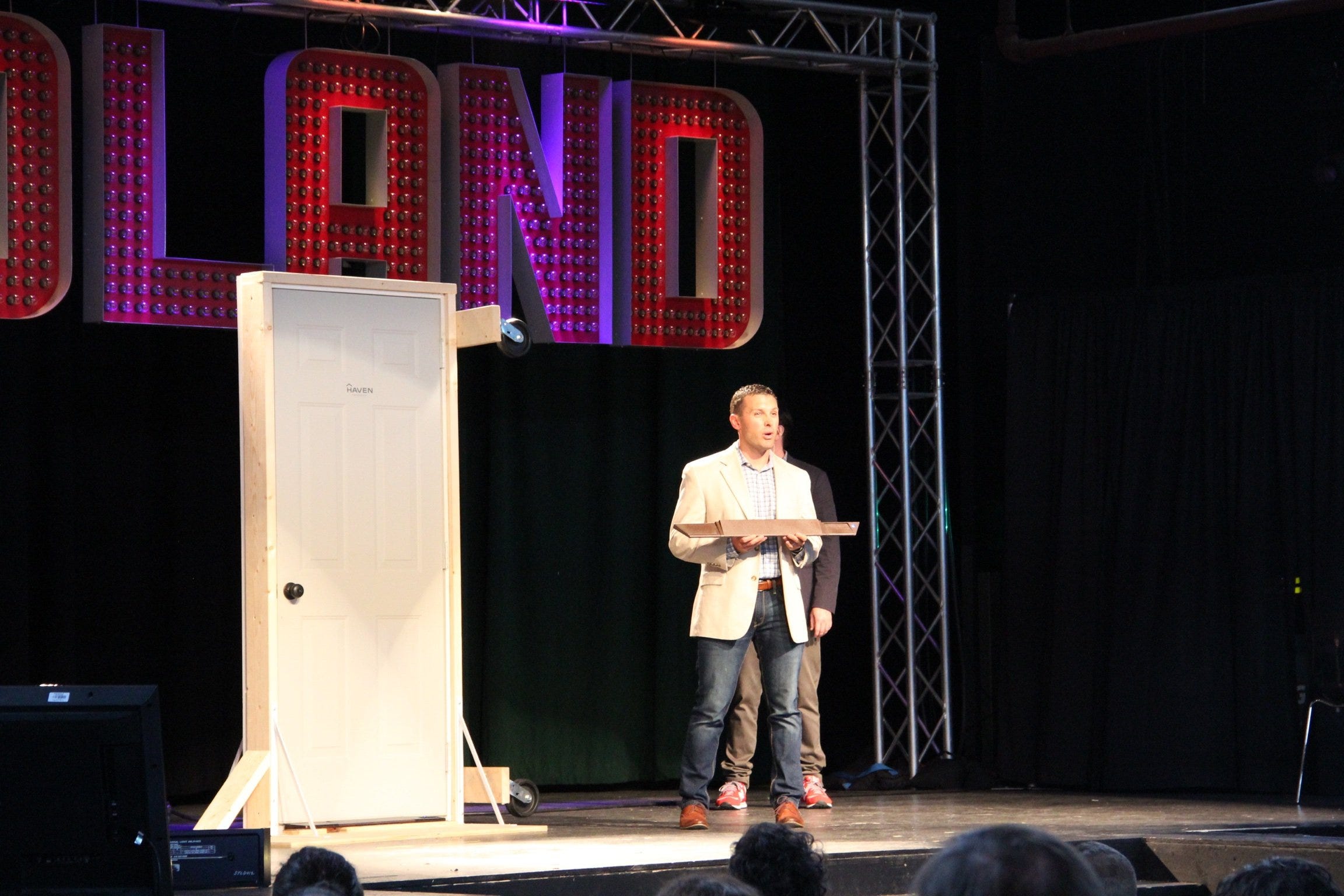
Founders assume fundraising works like a demo day. You get in a room, pull up your slides on a big screen, and walk an investor through your brilliant, sequential story.
In my 20+ years of starting companies and raising capital, I can tell you that a one-on-one pitch almost never works like that. You have to understand the reality of the meeting you're trying to get.
It’s a conversation, not a monologue. The investor will interrupt, ask questions, and take the discussion in unexpected directions.
It’s about storytelling and reading the room. Your ability to connect and build rapport is more important than any slide.
It’s fast-paced and fluid. Trying to stick to a rigid slide-by-slide presentation is awkward and shows inexperience.
The fundamental mistake is building a deck designed for the meeting. The deck you email an investor has a different, much more important job.
Its job is to get the meeting, not be the meeting.
ection 2: The Right Tool for the Job — How to Build a Deck That Works
Once you understand your deck is a tool to open a door, you can build it correctly. This means recognizing that you don't need one "perfect" deck; you need a few different tools for different stages of the process.
The Three Decks You Actually Need:
The "Email Deck" (The Key): This is your opener. A 10-15 slide, highly visual, skimmable PDF. Its only purpose is to spark curiosity, prove you're competent, and secure a conversation. This is the deck 90% of your effort should go into first.
The "Presentation Deck" (The Visual Aid): This is for a formal presentation to a group (a demo day, a pitch competition). It has almost no words—just big, beautiful images, a single killer quote, or one massive KPI on a slide. It’s a backdrop for your spoken story.
The "Data Room Deck" (The Deep Dive): This is the beast with appendices, cohort analyses, and detailed financials. Assembling this professional, investor-ready portal is a critical step, which is why I created a master checklist to guide you (more on that below).
Key Principles for Your "Email Deck":
To make your "key" work, it needs to be sharp, simple, and quick.
The 15-Second Rule: An investor must understand the core point of any given slide in 15 seconds or less. If not, it’s too complicated.
Investors spend an average of fewer than 3 minutes reviewing a pitch deck, according to DocSend data.
One Idea Per Slide: Your 'Problem' slide is only about the problem. Your 'Solution' slide is only about the solution. Don't make the investor's brain work to separate your ideas.
Visuals First, Text Second: Find the image, screenshot, or chart that tells the story first, then write the one powerful sentence that supports it. Not the other way around.
Section 3: Your Action Plan — From Theory to Practice
This isn't just theory; it's a practical, tactical shift in how you operate.
Your Task This Week: Open your current investor deck. Find the three slides with the most words on them. Your only goal is to completely remake them. Delete the paragraphs and communicate the core idea using only a powerful hero image and a single, clear headline.
Ready for a Proven Fundraising Process?
This is the kind of tactical work we do every week in The Founders Round. To help you stop guessing, I've bundled my Investor Playbook template, Data Room Checklist, a CRM template and proven messages to gain traction faster. Fill out this form to get full access to the Founder Tool Kit. It’s Free!!